
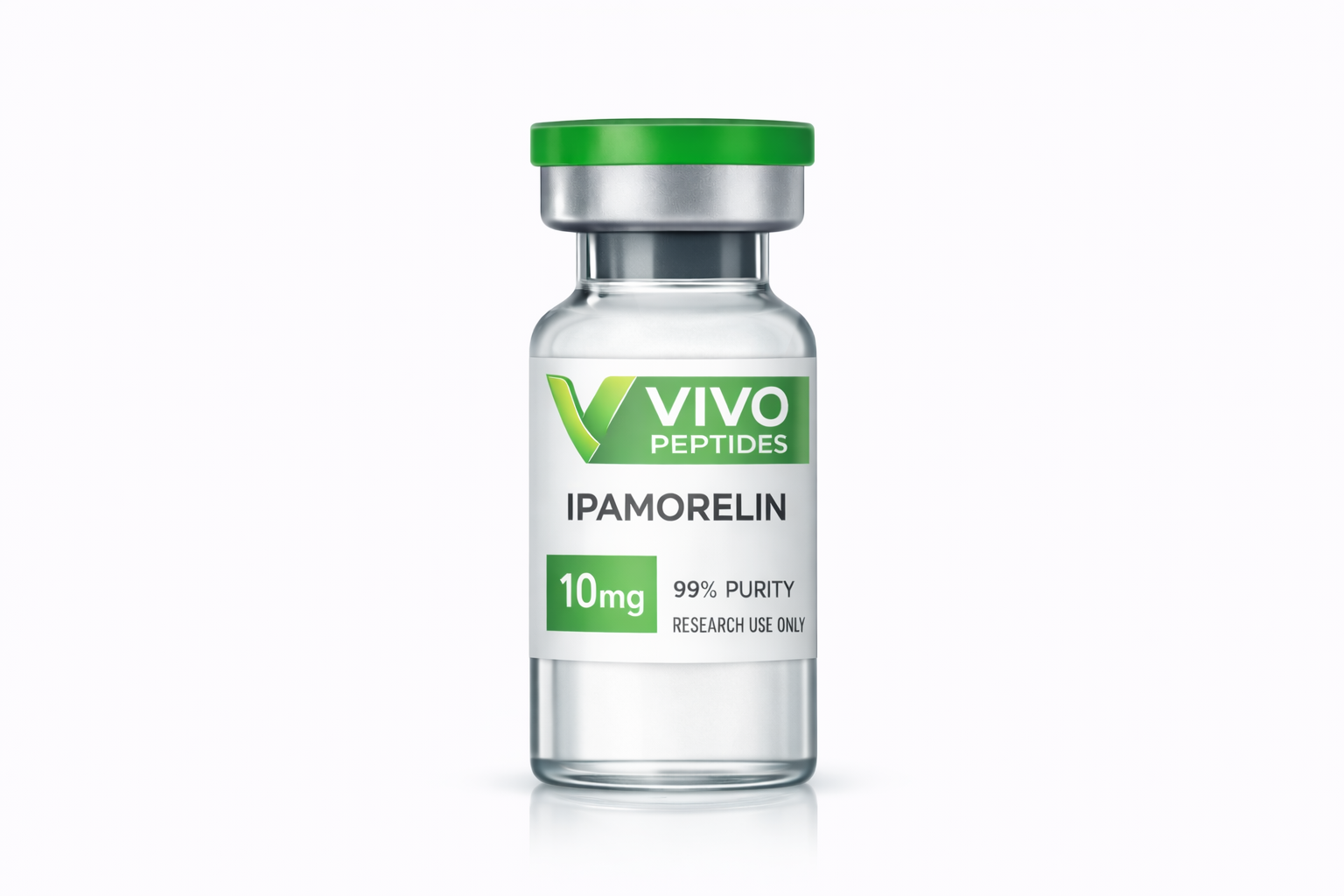
Ipamorelin 10mg
Original price was: $80.00 (USD).$69.00 (USD)Current price is: $69.00 (USD).
Ipamorelin is a pentapeptide and a synthetic ghrelin mimetic (acting as a ghrelin agonist) with high growth hormone (GH) releasing potency. Since it mimics ghrelin and binds to its receptors (GH secretagogues receptors) in the brain, it stimulates the release of GH in the pituitary gland; which leads to an increase in plasma GH levels, but also increased levels in GA tract, lungs, heart, liver, kidney and pancreas.
What differentiates Ipamorelin from other growth hormone releasing peptides is that it stimulates GH in a way that’s most similar to that of growth hormone-releasing hormone.
References:
- Raun K, Hansen BS, Johansen NL, Thøgersen H, Madsen K, Ankersen M, Andersen PH. Ipamorelin, the first selective growth hormone secretagogue. Eur J Endocrinol. 1998 Nov;139(5):552-61. doi: 10.1530/eje.0.1390552. PMID: 9849822.
- Sinha DK, Balasubramanian A, Tatem AJ, Rivera-Mirabal J, Yu J, Kovac J, Pastuszak AW, Lipshultz LI. Beyond the androgen receptor: the role of growth hormone secretagogues in the modern management of body composition in hypogonadal males. Transl Androl Urol. 2020 Mar;9(Suppl 2):S149-S159. doi: 10.21037/tau.2019.11.30. PMID: 32257855; PMCID: PMC7108996.
What Is Ipamorelin?
Ipamorelin is a synthetic peptide classified as a growth hormone secretagogue. It stimulates the production and release of growth hormone (GH) from the pituitary gland, which is responsible for various physiological processes. Ipamorelin works by binding to specific receptors in the hypothalamus and pituitary gland, increasing GH levels.
Its operational mechanics enabled it to stimulate this gland-based secretion related to growth in animal test subjects. What it also enables it to do is inhibit somatostatin; the role of somatostatin is to inhibit the pituitary’s gland ability to secrete growth hormone. Therefore, by inhibiting somatostatin, Ipamorelin demonstrated even more superior growth hormone secretion effects in these rat studies.
Ipamorelin and Negative Corticosteroid Effects
Glucocorticoids are a class of corticosteroids often used for their anti-inflammatory and immunosuppressive effects. While this forms the basis for their action against various diseases, it is also responsible for the long-term side effects that appear with their chronic use or at high doses.
It has also been confirmed that the higher the dose and the longer the duration of glucocorticoid use, the more challenging it becomes to taper off the medication. Several animal studies showed that Ipamorelin offers a promising approach to mitigating the side effects of glucocorticoid therapy.
Ipamorelin and Bone Mineral Density
It is worth noting that long-term usage of glucocorticoids leads to decreased bone density and an increased risk of fractures. A recent study on rats stated that Ipamorelin strongly improved glucocorticoid-reduced periosteal bone formation and muscle strength. That is, in rats treated with both glucocorticoids and Ipamorelin, the rate of bone formation was fourfold higher compared to that of rats treated with glucocorticoids alone.
This study suggests that Ipamorelin could counteract the harmful effects of glucocorticoids on the bone and muscle tissues. Another study also shows that treatment with Ipamorelin significantly increased bone mineral density and improved trabecular thickness and connectivity microarchitectural parameters.
Ipamorelin and Diabetes
Research in rats also shows that Ipamorelin can significantly impact insulin release. Ipamorelin influences insulin release primarily through its effects on growth hormone (GH) and insulin-like growth factor 1 (IGF-1), affecting glucose metabolism and insulin sensitivity.
The pancreas can maintain more stable blood glucose levels with better insulin sensitivity, leading to a more balanced glucose homeostasis.
Ipamorelin and Postoperative Ileus
Postoperative Ileus (POI) refers to the period when bowels start to feel discomfort after surgery. It is a common complication that occurs more frequently after operations on the abdomen. This condition mainly arises from the lack of normal gastrointestinal functions.
The main problem with this surgery is that you will stay at the hospital for a more extended period of time and also take a lot of time to recover. There were studies that confirmed that Ipamorelin has helped accelerate gastrointestinal recovery in patients who have POI. The research also showed that these peptides improved gastrointestinal motility, allowing their patients to tolerate meals better.
Ipamorelin as a Ghrelin Receptor Probe
In the majority of animal (primarily rat) studies, ipamorelin proved itself as a potent ghrelin receptor agonist, which strongly binds to the ghrelin receptors. Since ghrelin receptors proliferate in certain cancers and cardiovascular diseases, researchers have speculated that it can be used as a probe in positron emission tomography (PET) scans, as a way to further verify the diagnosis.
Some in vitro studies set out to test these claims and resulted with positive outcomes, showing that it’s possible, in theory, to use ipamorelin as a PET probe. Of course, these findings need to be confirmed in large-scale animal (later human) studies, but the initial results seem promising.
References:
- K. Raun et al., “Ipamorelin, the first selective growth hormone secretagogue,” Eur. J. Endocrinol., vol. 139, no. 5, pp. 552–561, Nov. 1998.
- N. B. Andersen, K. Malmlöf, P. B. Johansen, T. T. Andreassen, G. Ørtoft, and H. Oxlund, “The growth hormone secretagogue ipamorelin counteracts glucocorticoid-induced decrease in bone formation of adult rats,” Growth Horm. IGF Res. Off. J. Growth Horm. Res. Soc. Int. IGF Res. Soc., vol. 11, no. 5, pp. 266–272, Oct. 2001.
- J. Svensson et al., “The GH secretagogues ipamorelin and GH-releasing peptide-6 increase bone mineral content in adult female rats,” J. Endocrinol., vol. 165, no. 3, pp. 569–577, Jun. 2000.
- E. Adeghate and A. S. Ponery, “Mechanism of ipamorelin-evoked insulin release from the pancreas of normal and diabetic rats,” Neuro Endocrinol. Lett., vol. 25, no. 6, pp. 403–406, Dec. 2004.
- D. E. Beck, W. B. Sweeney, M. D. McCarter, and Ipamorelin 201 Study Group, “Prospective, randomized, controlled, proof-of-concept study of the Ghrelin mimetic ipamorelin for the management of postoperative ileus in bowel resection patients,” Int. J. Colorectal Dis., vol. 29, no. 12, pp. 1527–1534, Dec. 2014.
Frequently Asked Questions About Ipamorelin
What is Ipamorelin?
Ipamorelin is a pentapeptide and selective growth hormone secretagogue receptor (GHSR) agonist used in growth hormone research. It’s a synthetic peptide designed to study GH release mechanisms without affecting cortisol or prolactin.
What is the purity of your Ipamorelin?
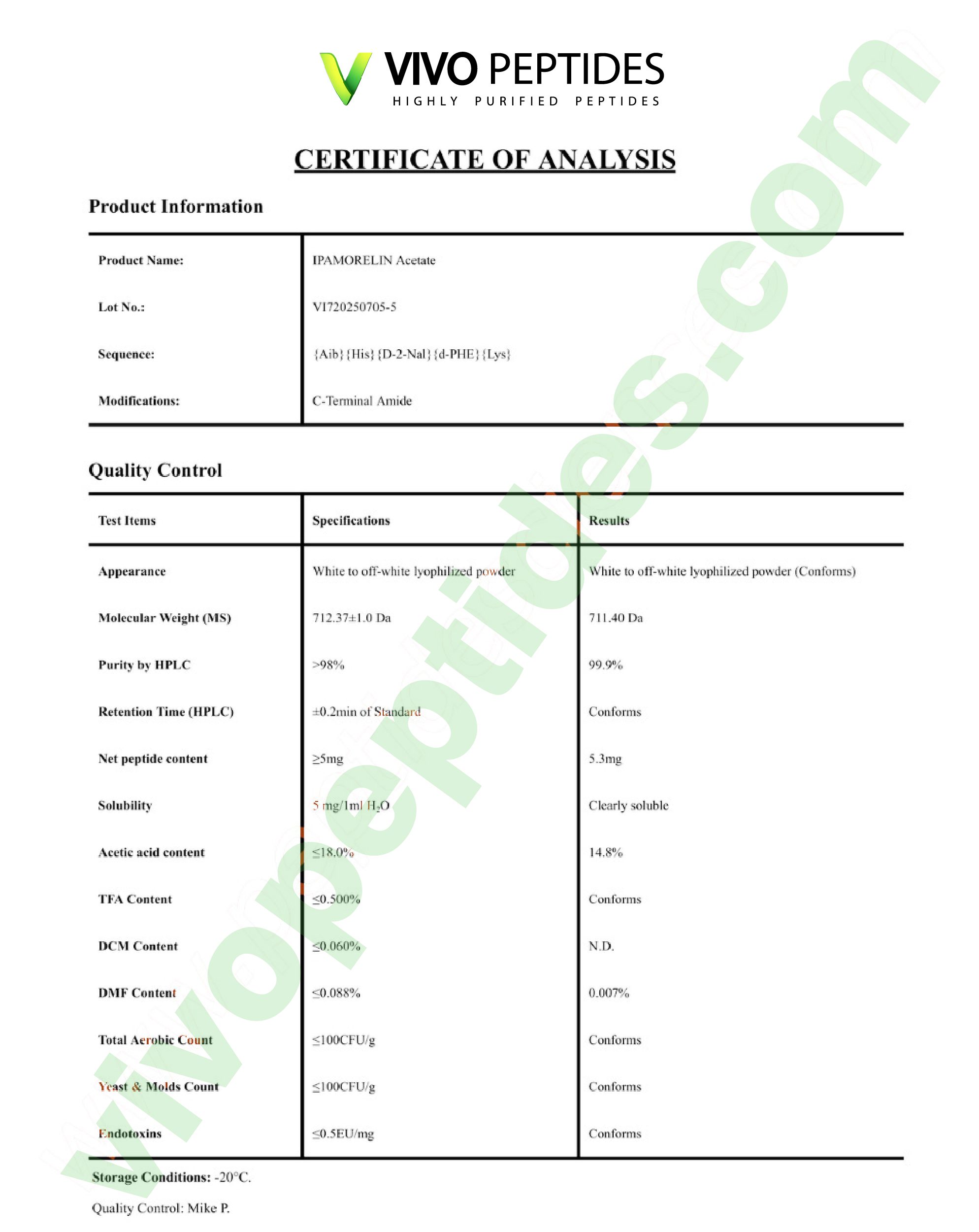
Our Ipamorelin 10mg is USA-manufactured with >98% purity, verified through HPLC and mass spectrometry. Each batch includes third-party testing certification.
How should Ipamorelin be stored?
Store lyophilized Ipamorelin at -20°C for long-term storage. After reconstitution, refrigerate at 2-8°C and use within 14-21 days for optimal potency.
What is the molecular formula of Ipamorelin?
Ipamorelin has the molecular formula C38H49N9O5 with a molecular weight of 711.85 g/mol.
How do you reconstitute Ipamorelin?
Add 2ml of bacteriostatic water to the 10mg vial to achieve a 5mg/ml concentration. Inject water slowly down the side of the vial and allow 2-3 minutes to dissolve without shaking.
Does Ipamorelin affect cortisol levels in research models?
Research indicates Ipamorelin is highly selective for GH release without significantly affecting cortisol, prolactin, or ACTH levels, making it valuable for targeted growth hormone studies.
Can Ipamorelin be combined with CJC-1295 in research?
Yes, Ipamorelin is commonly combined with CJC-1295 in research protocols studying synergistic GH secretion. We offer a pre-mixed Ipamorelin + CJC-1295 blend for convenience.
What makes Ipamorelin different from other GHRP peptides?
Ipamorelin is more selective than other GHRPs (like GHRP-2 or GHRP-6), producing GH release without stimulating hunger (ghrelin) or affecting cortisol levels, providing cleaner research data.
What research applications utilize Ipamorelin?
Ipamorelin is used in growth hormone secretion research, pituitary function studies, age-related GH decline investigations, and comparative GHRP mechanism studies.
How stable is Ipamorelin after reconstitution?
When stored at 2-8°C after reconstitution, Ipamorelin remains stable for 14-21 days. For extended studies, reconstitute in smaller batches as needed to maintain optimal potency.
Related Products
Body protection compound 157, or BPC for short, is a 15 amino acid segment of a specific body protection compound fragment.
Research showed that BPC-157 presents itself with potent cytoprotective properties, protecting cells from gastric mucosal damage. Though this exact mechanism is not yet fully known, researchers believe it has to do with the brain-gut axis which enables the communication between central nervous and endocrine systems.
TB-500 is a synthetic variation of the naturally occurring Thymosin-beta-4, and is built up of 43 amino acids. This peptide plays an important role in polymerization regulation, cell proliferation, migration and differentiation.
Putting these two peptides in a blend together gives a powerful cell protection effect, as well as improved recovery and differentiation on a cellular level.
References:
BPC-157 5mg, TB-500 (Thymosin Beta-4) 5 mg , GHK-Cu 20 mg
(Total Glow Blend)
The BPC-157, TB-500 (Thymosin Beta-4), and GHK-Cu mix is a mix of three different peptides, measured at 5 mg of BPC-157, 5 mg of TB-500, and 20 mg of GHK-Cu, for a total of 30 mg.
Researchers have been interested in BPC-157, a peptide initially isolated from gastric proteins, because of its ability to promote the growth of blood vessels and healing of injured tissue through a range of cellular mechanisms.
TB-500, a naturally occurring fragment of a larger protein, is typically studied for its ability to migrate cells into injured areas. It encourages the formation of new blood vessels, and reduces inflammation, especially in muscle and connective tissue.
The third ingredient, GHK-Cu, is a low molecular weight copper-binding peptide that has been linked in studies to wound healing, collagen synthesis, and even hair growth stimulation.
Together, these three compounds appear to have an effect on the same biological processes, but with a broader effect than any of them would have in isolation.
For example, TB-500 and BPC-157 both cause the growth of new vessels, while GHK-Cu adds another layer of support by activating the growth of the cells that line blood vessels.
On the structural repair side of tissues, TB-500 enables cell migration by promoting actin activity, while GHK-Cu and BPC-157 both influence fibroblasts and collagen to offer support for stronger connective tissue.
A second point of overlap is in reducing inflammation and oxidative stress, and it may be here that researchers are hopeful for these peptides in longer-term recovery studies.
As a result of these synergistic and shared activities, the blend is being investigated for use in everything ranging from musculoskeletal trauma to wound healing and post-surgical recovery.
CJC-1295 with DAC is a synthetic peptide, analog of the growth hormone-releasing hormone. Though CJC-1295 without DAC has the same effect and stimulates the production and secretion of growth hormone, the addition of Drug Affinity Complex (DAC) is what increases its half-life allowing it to act longer and more potently.
Research in animals also suggests that CJC-1295 with DAC stimulates insulin-like growth factor 1 (IGF-1) and plays a part in a number of physiological processes.
References:
- https://pubmed.ncbi.nlm.nih.gov/16352683/
- https://pmc.ncbi.nlm.nih.gov/articles/PMC2787983/
- https://academic.oup.com/jcem/article-abstract/91/3/799/2843281?redirectedFrom=fulltext
- https://www.researchgate.net/publication/7416716_Prolonged_Stimulation_of_Growth_Hormone_GH_and_Insulin-Like_Growth_Factor_I_Secretion_by_CJC-1295_a_Long-Acting_Analog_of_GH-Releasing_Hormone_in_Healthy_Adults
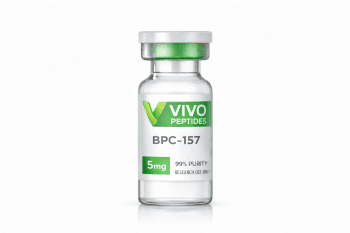
BPC‑157 (Body Protection Compound‑157) is a stable synthetic pentadecapeptide (15 amino acids) originally derived from a protective peptide found in gastric juice, widely studied for its cytoprotective and regenerative potential.
Preclinical research suggests it may support soft‑tissue repair (tendons/ligaments), modulate inflammation, and influence vascular signaling involved in healing.
Human evidence remains limited, so it is typically positioned as a research compound rather than an approved medicine.
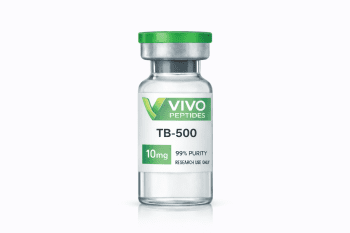
TB-500 is a synthetic peptide analogue of Thymosin Beta-4 (Tβ4), a naturally occurring protein that plays a vital role in cell structure and tissue repair.
In research models, TB-500 is studied for its ability to regulate actin polymerization, a fundamental process for cell migration, angiogenesis, and wound healing.
Note: This product is intended for research use only and is not for human consumption.
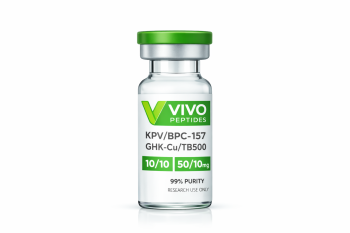
The BPC157, TB500, KPV, and GHK-Cu Quad Blend is a premium peptide formulation developed for advanced research into healing, regeneration, and anti-aging. This unique combination brings together four peptides that complement each other through distinct biological pathways. BPC157 has been widely studied for its ability to promote tissue repair, improve circulation, and support the stomach and intestinal lining. TB500, the complete Thymosin Beta-4 peptide, plays a vital role in cellular movement and recovery, helping researchers explore mechanisms of wound and muscle regeneration. KPV, a naturally occurring tripeptide, is valued for its anti-inflammatory and antimicrobial activity, helping to regulate immune response and reduce tissue stress. GHK-Cu, a copper-binding peptide, is known to stimulate collagen synthesis and rejuvenate skin and hair cells, promoting overall cellular renewal.
When combined, these four compounds may act synergistically to support studies on recovery and long-term cellular health. The blend is produced in a GMP-certified facility, tested for ≥99% purity, and provided in lyophilized powder form to ensure stability and reliability for laboratory use. Designed strictly for research purposes, this blend offers scientists a powerful tool to study natural healing and regenerative processes.
