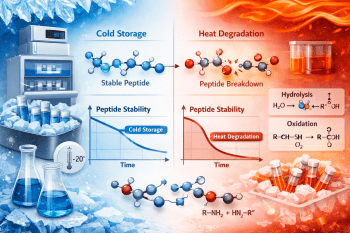
Peptide storage represents one of the most critical yet frequently misunderstood aspects of research peptide handling. Understanding degradation mechanisms, optimal storage conditions, and stability-preservation techniques is essential for maintaining research integrity and ensuring consistent results. Proper peptide storage not only preserves peptide activity but also maximizes research investments by preventing costly degradation. This comprehensive 2026 […]
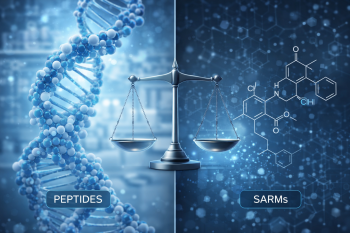
Peptides vs SARMs is one of the most debated topics in modern performance research. While both compounds influence muscle and tissue growth, they operate through fundamentally different biological mechanisms. This guide breaks down everything you need to know. Head-to-Head Comparison Table Feature Peptides (e.g., GHRP-6, BPC-157) SARMs (e.g., Ostarine, LGD-4033) Origin Biological (Amino Acid Chains) Synthetic […]
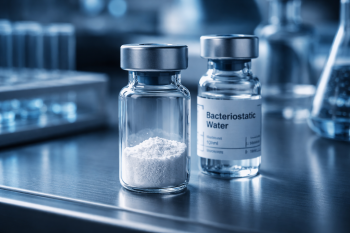
Peptide reconstitution is a critical laboratory procedure for any researcher handling lyophilized peptides. Proper reconstitution protocols ensure maximum potency, stability, and chemical integrity of research materials like BPC-157, Semaglutide, or Tirzepatide. This comprehensive guide covers everything from selecting the appropriate solvent to calculating solution concentrations, plus proper storage protocols to maintain peptide stability. Key Takeaways: Stability Reference […]