
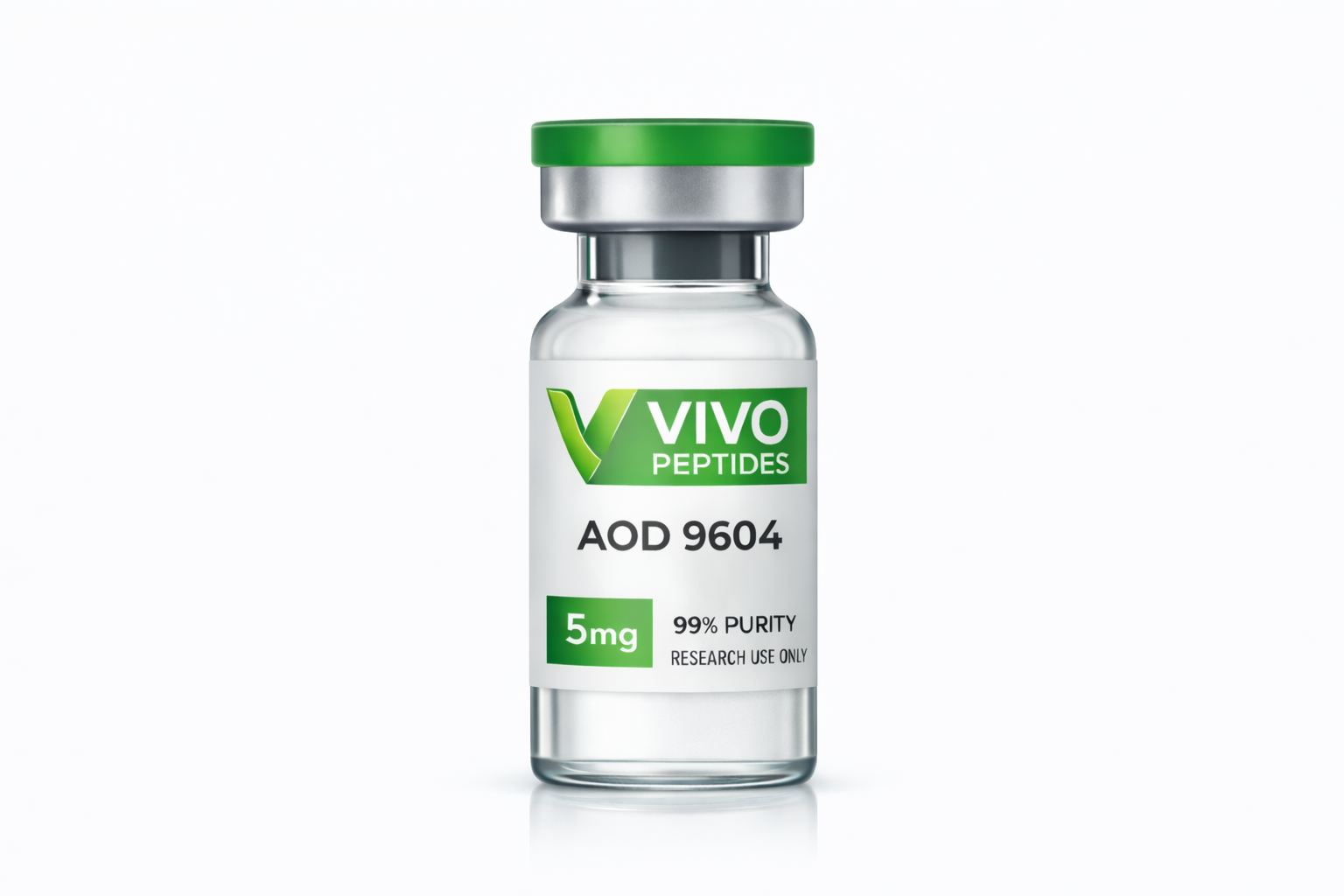
AOD9604 5mg
$50.00 (USD)
AOD9604 is a derivative of human growth hormone (hGH) and a modified version of the hGH fragment 176-191 peptide, incorporating a di-sulfide bridge. What’s exciting about this peptide is that it does not affect IGF-1 or insulin levels and is, therefore, not a risk in promoting glucose intolerance.
AOD-9604 – Overview
AOD9604 is a synthetic peptide – a human growth hormone derivative, initially developed to be a fat burning compound, helping obesity and weight loss management. GH’s last 16 amino acids were altered and reproduced into a specific peptide called GH Fragment 176-191, or simply AOD9604.
Furthermore, studies have shown it does not affect insulin-like growth factor 1 levels or insulin, therefore, it did not prove to be a factor in promoting glucose intolerance or diabetes. There is also no evidence the body forms AOD9604 antibodies or provokes an immune system response, so the researchers believe it has a potential in future therapy.
AOD-9604 – Obesity and Fat Burning Research
AOD-9604 was originally developed as an analogue of HGH, designed to combat fat and obesity.
In the sea of animal studies, we found a human one conducted in Australia, involving 300 obese individuals who were treated with AOD-9604 over the course of 12 weeks. It showed incredible results – peptide treatment more than tripled the weight loss effects compared to the placebo. The study also showed the likelihood of developing the resistance to the treatment as being extremely low; suggesting that long-term treatment might lead to an even greater weight loss over time. Not only that, AOD-9604 was also held up against the world’s largest weight loss selling drug at the time, helping patients achieve even greater weight loss without any side effects.
Speaking of animal studies, it’s worth mentioning one on mice predisposed to obesity where the effects of AOD-9604 were evaluated in a 14-day weight loss run. At the beginning of the study, it was hypothesized that the peptide binds to the receptors found on white fat cells, thus enabling weight loss. But, as the study went by, even mice lacking in these receptors experienced a significant fat loss.
What’s most promising about AOD though, is that, unlike other weight loss and obesity drugs, it both suppresses the appetite as well as stimulating fat metabolism. This is why this particular peptide became so massively popular and talked about and why there is such a growing interest in making it commercially available for obese patients.
AOD-9604 – Joint Pain Research
It might be a bit surprising for us to be talking about joint pain relief after just having talked about weight loss, but AOD-9604 showed some promising results even in this area.
This study was done on rats with arthritic joints, where an injection applied directly to the affected joint. The injections were guided using ultrasound guidance and, over time, resulted in cartilage regeneration and positive changes in its microscopic structure.
These changes were clinically observed and measured, and the results clearly showed improvement in arthritic joints. Researchers also tried combining AOD-9604 with other common treatment options (HA acid), and found that it works even better in such combinations.
This peptide also shows potential in diagnostics and revealing new pathways and treatment options, so its future is bright. But, we need more research and studies before introducing it as a viable arthritis treatment.
AOD-9604 – Heart Disease Research
First of all, we have to say that AOD-9604 does not affect heart (or cardiovascular health) directly. Through weight loss, joint pain relief and improvements in mobility, it helps reduce the risk of heart disease (by taking some of the load off of the cardiovascular system).
Of course, we’ve witnessed some claims that this peptide does indeed improve heart health, but these have yet to be confirmed by large-scale medical studies. So far, we haven’t seen them but we remain hopeful for the future.
References:
Stier, H., Vos, E., & Kenley, D. (2013). Safety and Tolerability of the Hexadecapeptide AOD9604 in Humans. Journal Of Endocrinology And Metabolism, 3(1-2), 7-15.
Heffernan M, Summers RJ, Thorburn A, Ogru E, Gianello R, Jiang WJ, Ng FM. The effects of human GH and its lipolytic fragment (AOD9604) on lipid metabolism following chronic treatment in obese mice and beta(3)-AR knock-out mice. Endocrinology. 2001 Dec;142(12):5182-9. doi: 10.1210/endo.142.12.8522. PMID: 11713213.
Kwon DR, Park GY. Effect of Intra-articular Injection of AOD9604 with or without Hyaluronic Acid in Rabbit Osteoarthritis Model. Ann Clin Lab Sci. 2015 Summer;45(4):426-32. PMID: 26275694.
https://www.news-medical.net/news/2004/12/16/6878.aspx
Ng FM, Sun J, Sharma L, Libinaka R, Jiang WJ, Gianello R. Metabolic studies of a synthetic lipolytic domain (AOD9604) of human growth hormone. Horm Res. 2000;53(6):274-8. doi: 10.1159/000053183. PMID: 11146367.
Frequently Asked Questions About AOD9604
What is AOD9604?
AOD9604 is a synthetic peptide derived from human growth hormone (hGH), specifically a modified version of the hGH fragment 176-191. It’s designed for research purposes in metabolic studies, particularly focusing on fat metabolism and lipolysis mechanisms.
What is the purity of Vivo Peptides AOD9604?
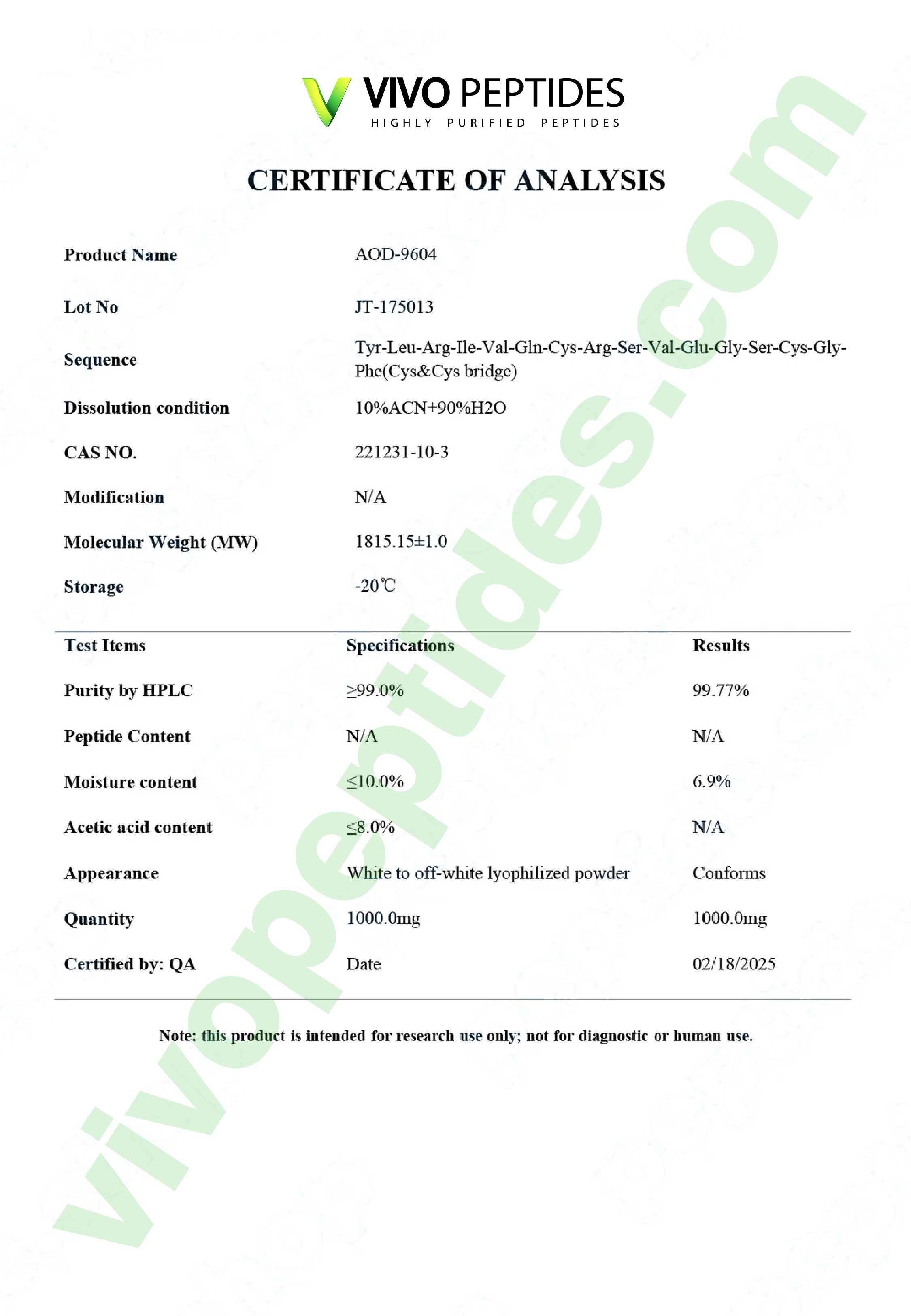
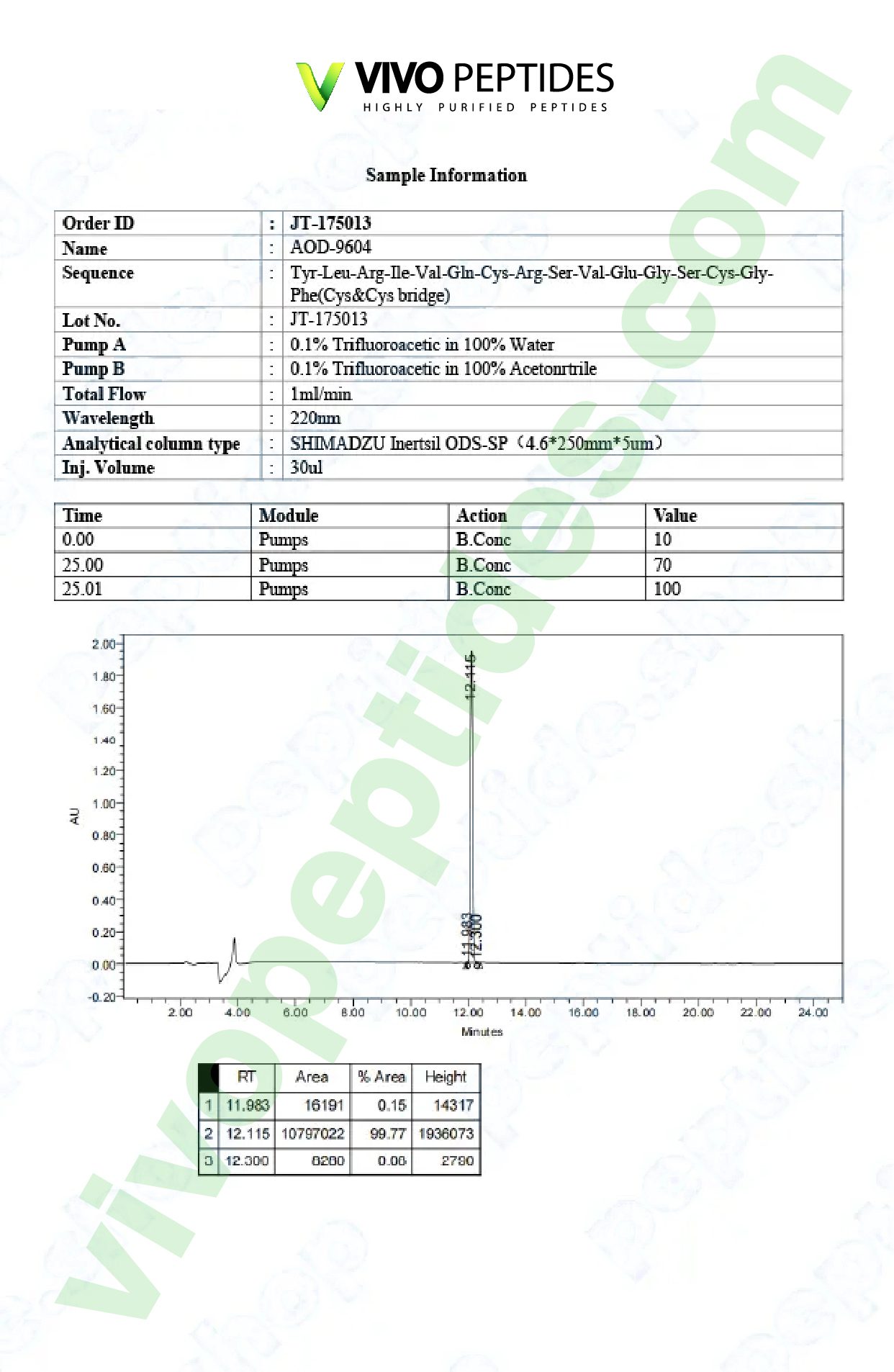
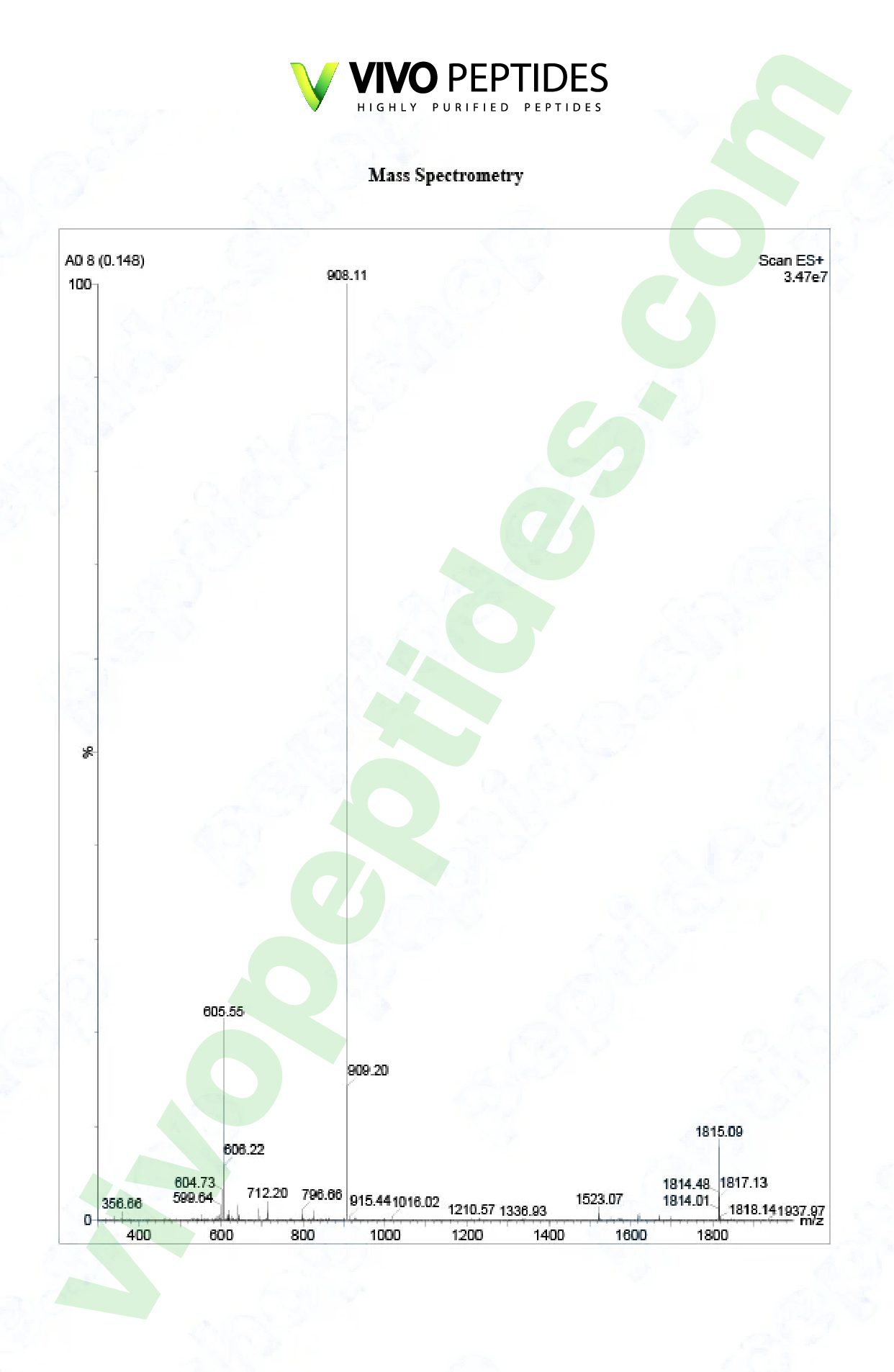
Our AOD9604 5mg is manufactured in the USA with >99% purity, verified through third-party HPLC and mass spectrometry testing. Each batch includes a Certificate of Analysis (COA) upon request.
How should AOD9604 be stored?
Store lyophilized (powder form) AOD9604 at -20°C to -80°C for long-term storage. Once reconstituted, store at 2-8°C (refrigerated) and use within 14 days for optimal stability.
What is the recommended reconstitution method for AOD9604?
Reconstitute AOD9604 with bacteriostatic water or sterile water. For 5mg vial, add 2ml of bacteriostatic water to achieve a concentration of 2.5mg/ml. Allow to dissolve gently without shaking.
Is AOD9604 the same as HGH Fragment 176-191?
AOD9604 is a modified version of HGH Fragment 176-191 with an added di-sulfide bridge. This modification enhances stability and bioavailability in research applications.
Does AOD9604 affect blood sugar or insulin levels?
Research indicates that AOD9604 does not significantly affect IGF-1 or insulin levels, making it suitable for metabolic research without promoting glucose intolerance.
What is the molecular weight of AOD9604?
AOD9604 has a molecular weight of approximately 1815.08 g/mol with the molecular formula C78H123N23O23S2.
How long does AOD9604 remain stable after reconstitution?
When properly stored at 2-8°C after reconstitution with bacteriostatic water, AOD9604 maintains stability for approximately 14 days. For extended research periods, prepare smaller batches as needed.
Related Products
Cagrisema is a potent new blend, a combination that integrates two peptides – cagrilintide and semaglutide.
Semaglutide is a GLP-1 receptor agonist; a version of human GLP-1 hormone, modified to resist the degradation by the enzyme dipeptidyl peptidase-4.
Cagrilintdide, on the other hand, is an amylin analogue. Its role is to mimic the human hormone amylin and is structurally designed to be resistant to enzymatic degradation.
Together, these two peptides profoundly influence chemical structures and induce hormonal changes:
- Leading to the receptor changes within the pancreas and the brain
- Boosting insulin secretion
- Interacting with the receptors involved in appetite regulation
- Mimicking the action of amylin
- Decreasing glucagon secretion
All in all, this is a sophisticated, more importantly, incredibly potent combination of two peptides whose actions complement each other. Cagrisema combination influences some key hormonal processes and plays a role in metabolic regulation.
Buy Cagrilintide Online
Cagrilintide is a long-acting amylin analogue, currently at the forefront of peptide research due to its rather interesting potential beneficial effect in individuals with diabetes. But what’s so special about amylin? Well, amylin is another peptide hormone, co-secreted with insulin, which inhibits food intake, delays gastric emptying, and, most importantly, reduces blood glucose levels.
Back to cagrilintide… it was originally developed to improve on the initial amylin analogue called pramlintide. The problem with pramlintide is its short half-life and undesired side effects.
Cagrilintide was (and still is being) developed to alter the half-life, potency and stability of pramlintide, and other amylin analogues.Since, it’s still a relatively new peptide, it still needs to undergo further research so we can make sure its as effective and safe.
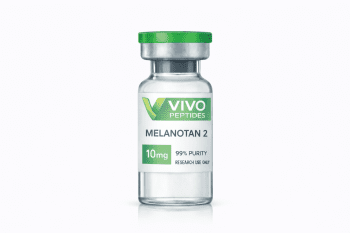
Melanotan 2 (MT-2) is a synthetic cyclic heptapeptide analogue of the endogenous alpha-melanocyte-stimulating hormone (α-MSH).
In research settings, it is widely utilized to investigate the melanocortin system’s role in regulating skin pigmentation (melanogenesis), sexual behavior, and energy homeostasis (appetite suppression) through non-selective activation of melanocortin receptors.
Note: This product is intended for research use only and is not for human consumption.
