
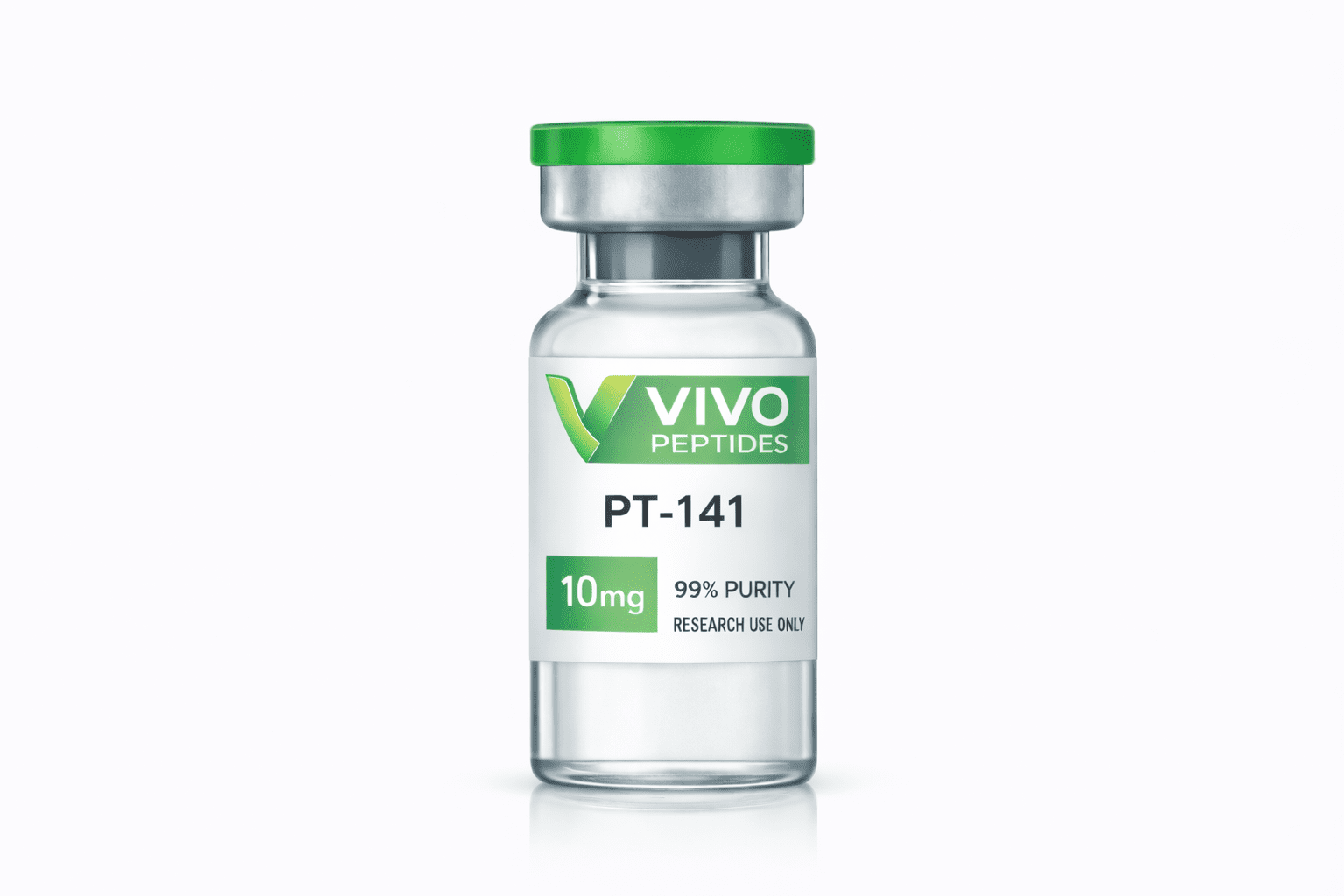
PT-141
$50.00 (USD)
PT-141 (Bremelanotide) is a synthetic cyclic peptide described as an α‑MSH analog and a melanocortin receptor agonist investigated in research models of central melanocortin signaling.
In published preclinical literature, PT-141 is discussed in the context of CNS-mediated melanocortin activity and neurobehavioral endpoints, including sexual-function–related research models.
Disclaimer: All products are intended for laboratory and research use only and are not for human or veterinary consumption.
PT-141, also known as bremelanotide, is reported as a 7–amino-acid peptide and is characterized in regulatory and research sources as a melanocortin receptor agonist (MC1/MC3/MC4/MC5 have been described).
Preclinical publications describe PT-141 as a melanocortin agonist used to study CNS melanocortin pathways, including observed hypothalamic activation markers (e.g., c‑Fos) in animal experiments.
A commonly referenced structural description for PT-141 is Ac‑Nle‑c[Asp‑His‑D‑Phe‑Arg‑Trp]Cys‑NH2 (cyclic heptapeptide format).
Research-only positioning: Product text should remain within research-description boundaries and avoid preparation, dosing, or administration instructions for bioactive peptides.
Storage/handling (general peptide guidance): Lyophilized peptides are typically kept tightly sealed and cold for longer-term storage, and peptide solutions are commonly aliquoted to reduce stability loss associated with repeat handling and freeze–thaw exposure.
FAQ (PT-141)
What is PT-141?
PT-141 (bremelanotide) is a synthetic cyclic peptide described as an α‑MSH analog that acts as a melanocortin receptor agonist.
What is PT-141 used for in research?
It is used as a tool compound to probe melanocortin signaling in CNS-linked experimental models and related downstream endpoints reported in preclinical literature.
Is PT-141 a small molecule like typical ED drugs?
No—PT-141 is described as a peptide (7 amino acids) rather than a conventional small-molecule scaffold.
What vial size is this product?
PT-141 is supplied as a 10 mg vial (research material).
How should PT-141 be stored?
General peptide handling guidance recommends storing lyophilized material cold and dry, and minimizing repeated handling of solutions by using aliquots when applicable.
Related Products
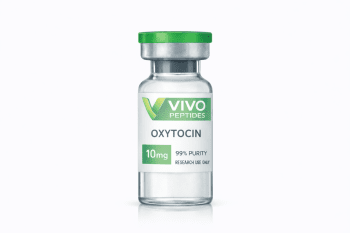
Oxytocin is a nonapeptide hormone naturally produced in the hypothalamus and released by the posterior pituitary.
In research settings, it is widely utilized to investigate the neurobiological mechanisms of social bonding, stress regulation, trust, and maternal behaviors, as well as its physiological role in uterine contraction and lactation.
Note: This product is intended for research use only and is not for human consumption.
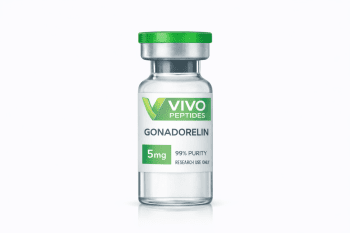
Gonadorelin is a synthetic decapeptide identical to the endogenous Gonadotropin-Releasing Hormone (GnRH).
In research settings, it is utilized to stimulate the anterior pituitary gland to secrete Luteinizing Hormone (LH) and Follicle-Stimulating Hormone (FSH), making it a fundamental tool for investigating the hypothalamic-pituitary-gonadal (HPG) axis, pulsatile hormone regulation, and fertility mechanisms.
Note: This product is intended for research use only and is not for human consumption.
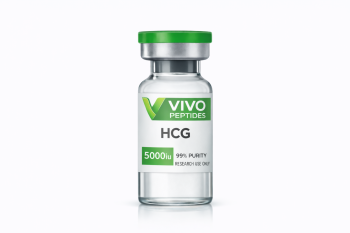
Human Chorionic Gonadotropin (HCG) is a peptide hormone primarily produced by the placenta during pregnancy. It plays a vital role in supporting fetal development by stimulating the production of essential hormones such as progesterone, helping maintain a healthy pregnancy.
In research settings, HCG is studied for its potential effects on hormonal regulation, metabolic processes, and physiological responses.
Storage & Handling:
To maintain the stability and integrity of this product, store it in a cool, dry place, away from direct sunlight. Handle with care and follow standard laboratory procedures to ensure accurate and reliable results.
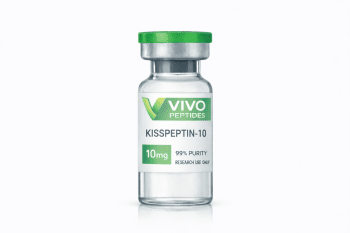
Kisspeptin-10 is a synthetic peptide comprising the bioactive C-terminal decapeptide sequence of the endogenous protein Kisspeptin (metastin).
In research settings, it is a critical tool for investigating the neuroendocrine regulation of the reproductive axis, specifically its ability to stimulate the pulsatile secretion of Gonadotropin-Releasing Hormone (GnRH) via activation of the GPR54 (Kiss1) receptor.
Note: This product is intended for research use only and is not for human consumption.
